
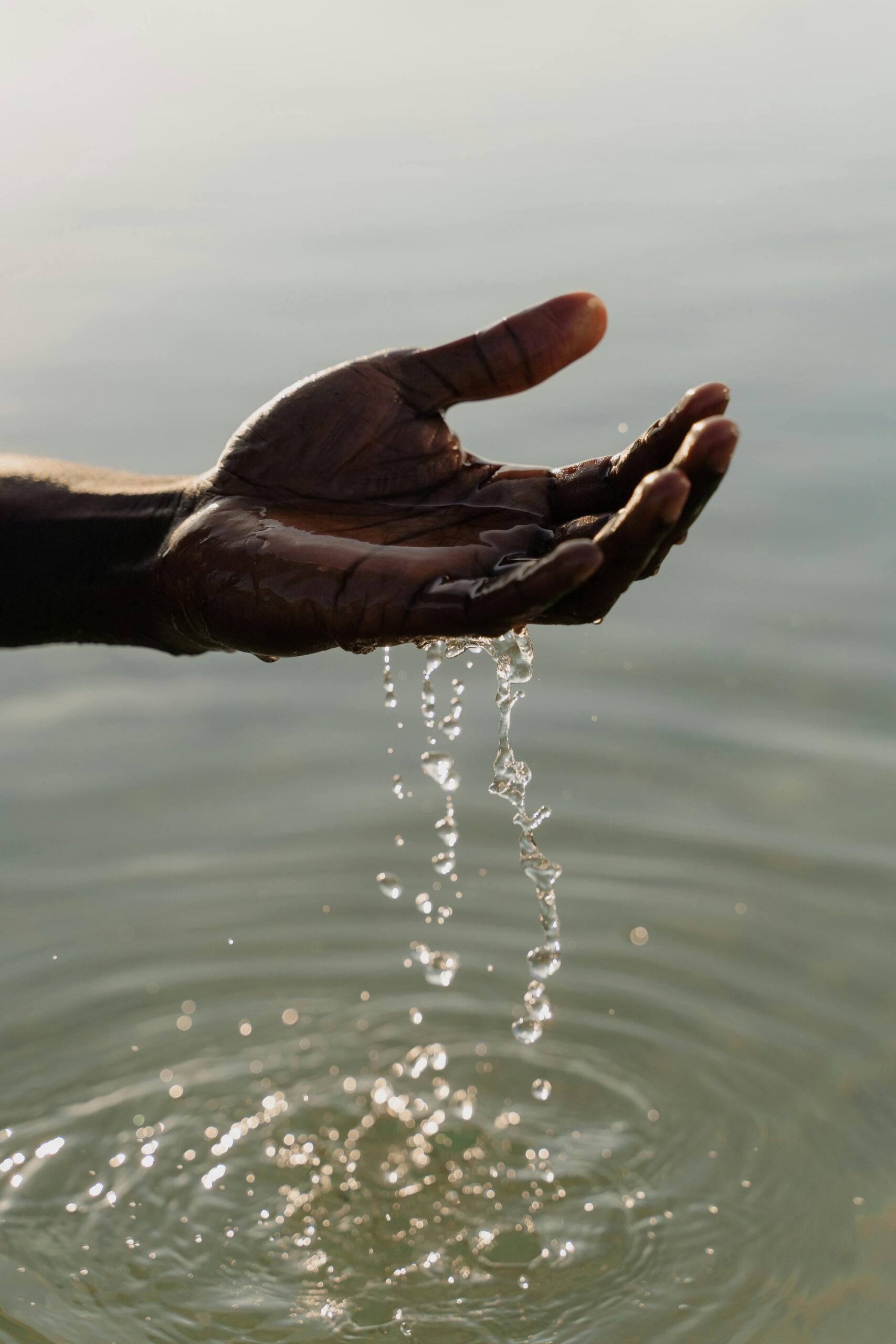
The quality of water we have access to and drink is inextricably linked to our health, and many common drinking water contaminants can cause reproductive health impacts for women. Yet in Los Angeles, as across the Country and globe, communities of color and low income communities are disproportionately likely to be exposed to contaminated water. This exposure contributes to a maternal and infant health crisis that impacts Black women severely. Reproductive justice demands that all birthing people have a right to bodily autonomy, to choose whether or not to have a child, and to raise children in safe and healthy conditions – a lack of access to clean, healthy water violates these tenets.
The overexposure of communities of color to contaminated water stems from environmental racism. Longstanding disinvestment and racist policies have made it the case that race, even more than income, is the strongest predictor of environmental burden faced by a household. For example, Black communities are more likely to be exposed to lead in their water due to outdated pipes and water infrastructure – in 2024, high levels of lead were found in tap water in housing in Watts, South LA. Black families are also more likely to experience toxic chemicals such as PFAS (polyfluoroalkyl substances) in their drinking water, in part because they are more likely to live near polluting facilities that release harmful chemicals into nearby water sources. In South LA, a majority Black community lives in close proximity to the polluting Inglewood Oil Field, which is the largest urban oil field in the whole country.
The reproductive health impacts associated with these water supply contaminants are numerous. There is no safe level of exposure to lead, and for pregnant people, drinking water contaminated by lead risks miscarriage, premature birth, and low birth weight. Lead exposure can also cause reduced fertility in both men and women, and neurodevelopmental issues in fetuses and babies. PFAS and other such chemicals, often found in water supplies near toxic facilities, interfere with our hormones and cause reproductive harm. PFAS have been linked to problems like pregnancy-induced hypertension and pre-eclampsia, which are already more likely to impact Black women. Indeed, women of color face a maternal and infant health crisis due to structural racism and other compounding factors, meaning that further complications added by contaminated water are highly worrying. The Black maternal and infant mortality rate in the US is more than three times higher than that of White women, and there are also inequitable infant health incomes that track racial lines.
At Black Women for Wellness, we are working towards water equity for South LA residents – achieving water equity requires that everyone, especially those already overburdened, has water that is accessible, affordable, and of a high quality. We do this work through a reproductive justice lens, and are fighting for bodily autonomy and a safe environment for all. To learn more about water, environmental justice, and the link to reproductive justice, check out our online water guide.
By Zoe Cunliffe