
California loves a good rivalry—Bay Area versus Los Angeles, north versus south, mountains versus coast. Most of the time, it’s all in good fun. But when that rivalry enters into water discussions, it stops being playful and becomes a problem. The debate over the Sacramento–San Joaquin Delta has too often been seen as one part of the state hoarding water while another goes thirsty. In truth, the situation is much simpler—and more interconnected. Protecting the Delta benefits everyone, no matter where they live.
Even if you’re hundreds of miles away in Southern California, the health of the Delta influences the reliability of your tap, the stability of your water bill, and your community’s capacity to endure a hotter, drier future. If you live in the Delta, you understand that your region’s survival depends on statewide cooperation, not division. California’s water challenges aren’t a tug-of-war between two ends of the map—they are shared challenges and present shared opportunities.
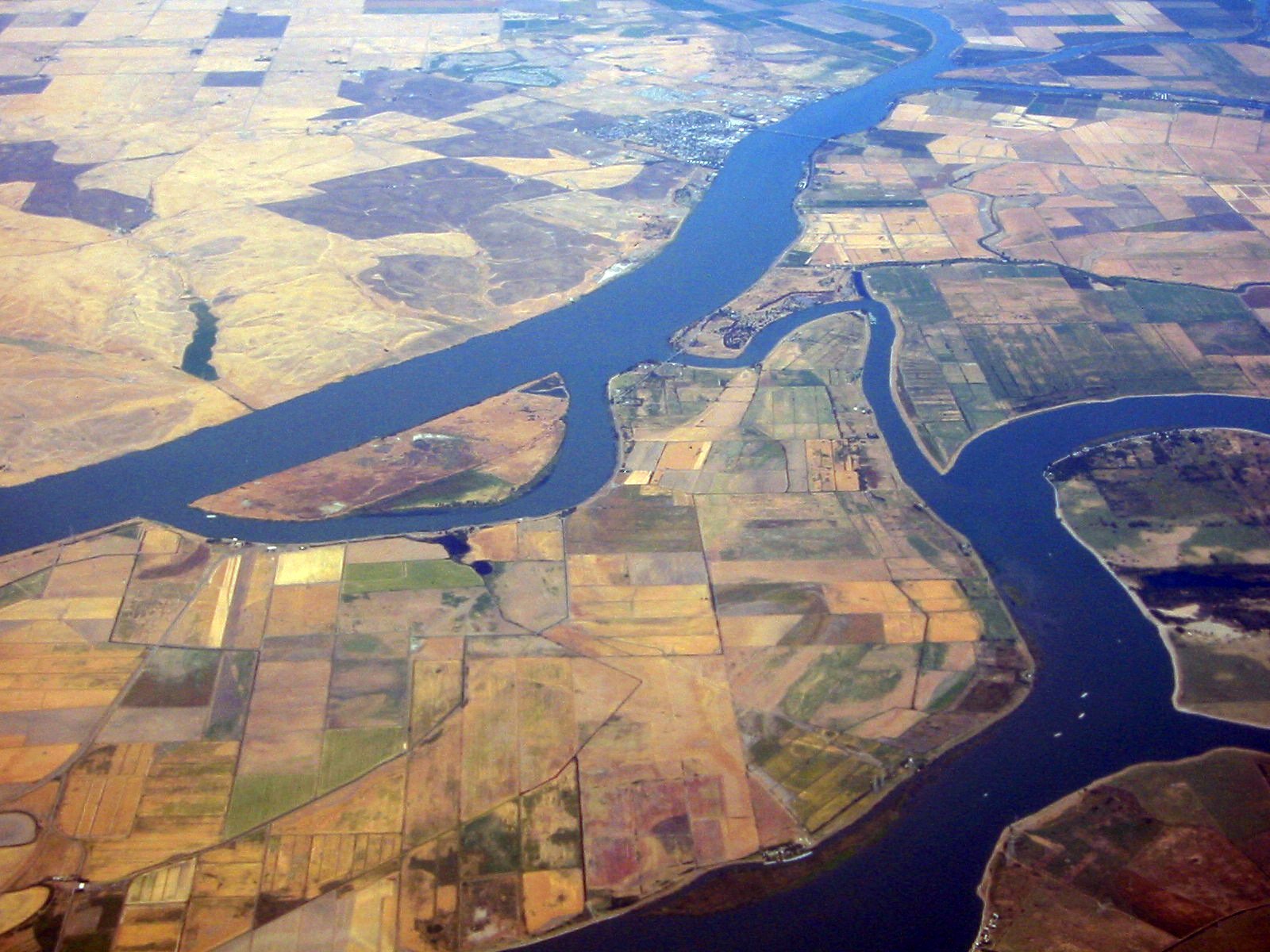
To understand why, you need to see the Delta for what it really is. It isn’t just a valve to open or close, or a simple junction where rivers meet. It’s the largest estuary on the West Coast—a living, breathing engine that sustains entire ecosystems. Fresh water and saltwater mix here in a delicate balance that supports salmon runs, smelt populations, migratory birds, tribal traditions, local economies, and the ecological health of San Francisco Bay. When the Delta struggles—when its waters become too salty, or its flows decrease—those effects spread across the state. Salmon fishing seasons fail. Bay ecosystems stagnate. Wildlife declines. What happens in the Delta doesn’t stay there; it extends from the Central Valley to the coast and into every community that relies on clean, dependable water.
This is why the debate over the Delta Tunnel has become so heated. Supporters often claim it as Southern California’s path to water security, but the claim doesn’t hold up. The tunnel doesn’t produce a single new drop of water. It just redirects water through an ecosystem already pushed to its limit. In an era of shrinking snowpack and drier rivers, a new intake pipe doesn’t generate a new supply—it just moves what little water is left.
And what about the cost? Southern Californians would shoulder much of it. With an estimated price tag of $16 billion before inflation and up to $40 billion, ratepayers will face higher water bills and property taxes without any guarantee of a sustainable water supply. Families in Los Angeles, San Diego, and the Inland Empire would see increased expenses for a project that becomes less reliable as climate pressures intensify. Instead of building resilience, the tunnel increases reliance on long, vulnerable aqueducts that cross seismic faults and over-stressed landscapes. It’s a strategy from the last century, not the one we’re living in now.
California has more effective tools—ones already demonstrating success across the state. Cities are capturing stormwater from atmospheric rivers. Communities are rehabilitating groundwater basins long considered unusable. Water recycling plants are converting wastewater into a drought-resistant supply. Wetlands are being restored to absorb floodwaters and recharge aquifers. Efficiency programs are conserving water each year, even as populations grow. These solutions create new water sources, strengthen ecosystems, and generate local jobs without requiring one region to sacrifice itself for another.
And here’s the best part: When Southern California becomes more self-reliant, the Delta gets room to recover. When the Delta recovers, the whole state benefits—from the fishing towns on the North Coast to the farms of the Central Valley to the neighborhoods of Los Angeles that rely on affordable, reliable water.
California’s water future doesn’t have to be a battleground. It can be a story of shared wisdom—a story of investing in what works, healing what’s been damaged, and recognizing that our regions are not opponents but partners. When the Delta thrives, California thrives. And when we finally move beyond the north-versus-south mindset, we can build the resilient, sustainable water future every community deserves.
Written by Gujari Singh