
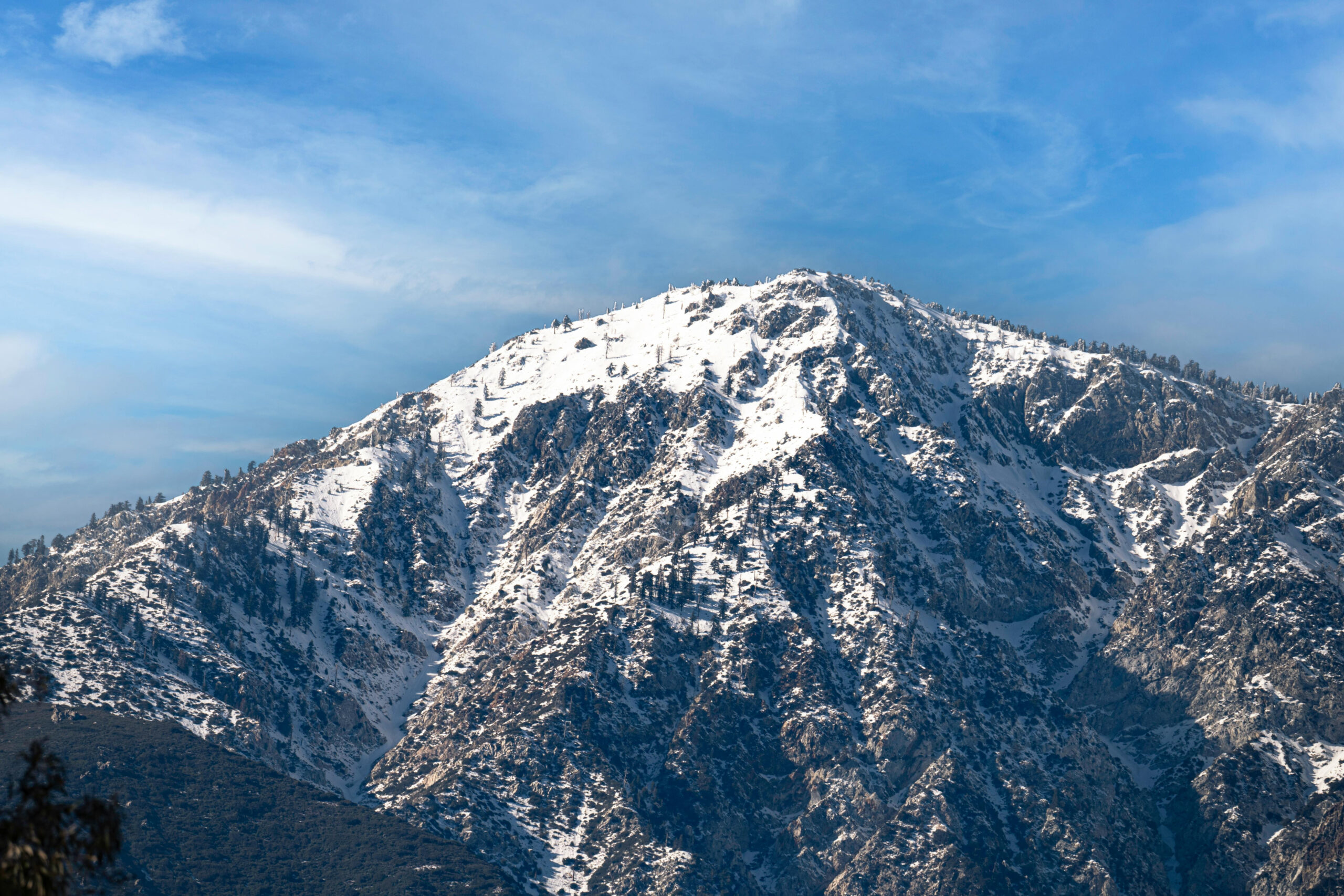
For anybody who skis, the plight of California’s snowpack this year is no surprise. Resorts up and down the state closed sooner than expected this year, some as early as mid-March.
Warmer than usual spring temperatures caused less precipitation to fall as snow, and what snow did fall has melted earlier and at a faster rate. Snowfall records from UC Berkeley’s Central Sierra Snow Lab report that the current accumulated snowfall to-date in 2026 is 305.91 inches. Over the past 30 years, the average amount of accumulated snowfall at the same date of testing was 360.24, nearly 5 feet more of snowpack.
Snowpack works like a natural reservoir for California waterways. The snow gradually melts throughout the year, providing a steady stream of water for areas like the Sacramento-San Joaquin Delta or the Owens Valley. When less snowpack accumulates due to higher seasonal temperatures, water runs off less consistently throughout the year. It melts earlier, providing lower amounts of water later into the dry season. As Californians continue to feel the impacts of climate change, this snowpack pattern will worsen.
Skiers aren’t the only ones who should be concerned about California’s meager snow levels. Most Californians rely on melting snowpack for their water supply, even if they live in communities long distances away from Californian mountain ranges. Our current system of water conveyance and imports guarantees this.
Los Angeles imports significant amounts of its water supply. 41% of the water Los Angeles Department of Water and Power receives comes from the Los Angeles Aqueduct, which conveys water from the Owens Valley. That water ultimately starts off as Sierra Nevada runoff. Similarly, Metropolitan Water District, which is the water wholesaler for Southern California, receives 30% of their water on average from the State Water Project. That water also primarily begins as runoff from the Sierra and Cascade ranges that makes its way to the Sacramento-San Joaquin Delta.
As climate change continues to increase the unreliability of gradual snowpack melt throughout the year, California communities, especially those in urban Southern California, need to adapt. The current water regime needs to shift away from heavy imports from already ecologically stressed regions towards a system based on conservation and reuse.
Meaningful progress towards a more localized and climate-resistant system has been made. Pure Water Southern California, a project which would provide Metropolitan Water District with over 150 million gallons of recycled water daily, just recently completed its final Environmental Impact Report, clearing the way for its construction. Similarly, the Edward C. Little Water Recycling Facility provides over 30 million gallons of water daily to West Basin Metropolitan Water District and the Orange County Groundwater Replenishment System provides over 130 million gallons daily. Water recycling has and will continue to be a viable path forward towards a climate-resistant water supply. The Angeles Chapter Water Committee strongly advocates for its implementation and expansion.
Jackson Goulding currently serves as Vice Chair of the Angeles Chapter Water Committee.